
Commercial Carpet Shampooing Services in Dallas, TX
Deep carpet cleaning that removes stains, dirt, and allergens for a fresher workspace.
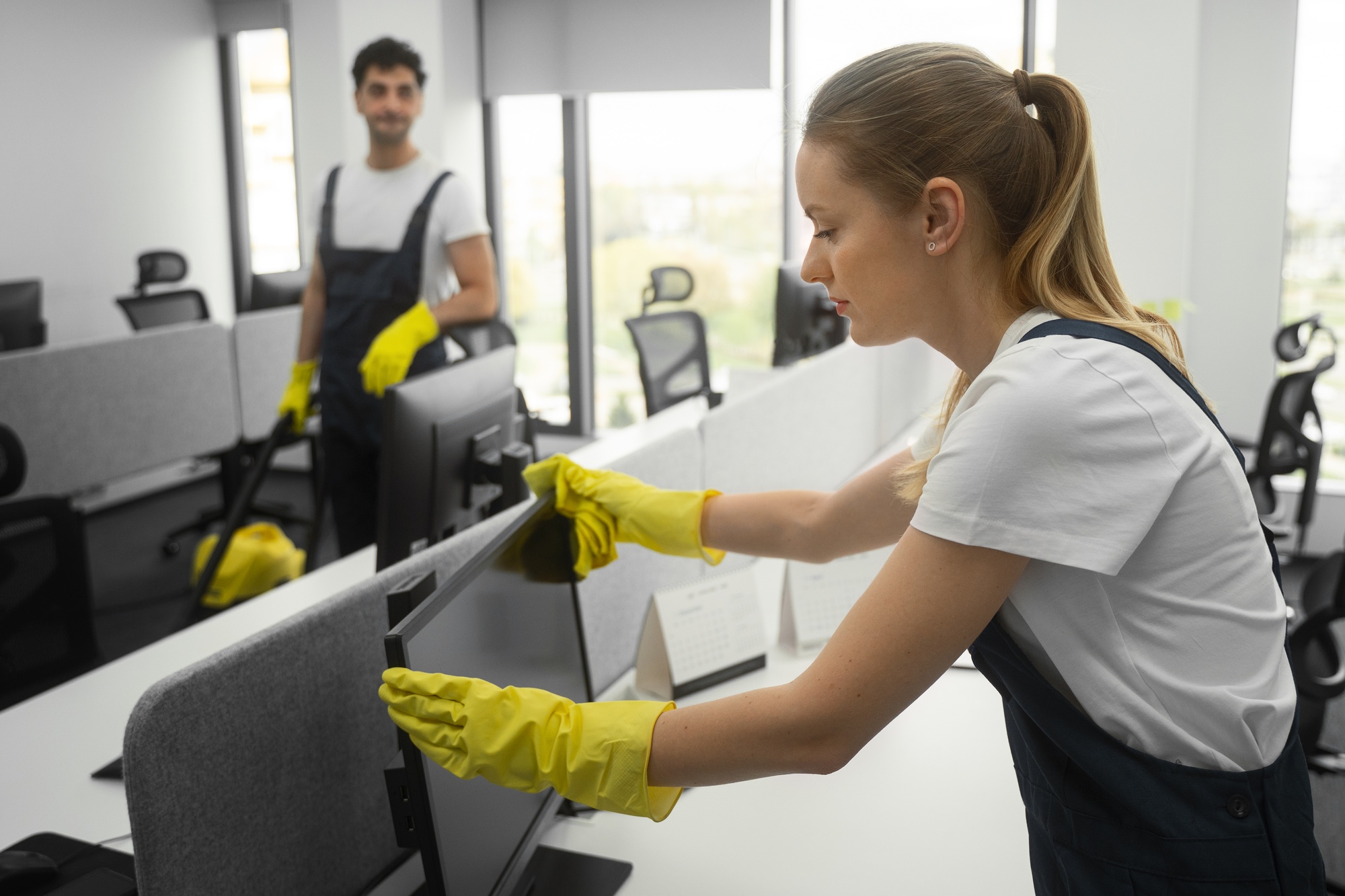
Professional Commercial Carpet Shampooing Services in Dallas, TX
Commercial carpets endure tremendous wear from daily foot traffic, spills, dirt, and allergens. Over time, even with regular vacuuming, carpets trap debris deep within their fibers that affects indoor air quality, appearance, and carpet longevity. Commercial Cleaning of Texas provides professional carpet shampooing services that restore your Dallas business's carpets to their original beauty while creating a healthier environment.
Our hot water extraction method, often called steam cleaning, is the most recommended carpet cleaning technique by major carpet manufacturers. This process injects hot water and specialized cleaning solutions deep into carpet fibers, then extracts the dirty water along with dissolved soils, stains, and allergens. The result is carpets that not only look cleaner but are genuinely cleaner at a microscopic level.
We serve businesses throughout Dallas, from corporate offices in the Arts District to medical facilities in Medical City Dallas, retail stores in Deep Ellum to educational institutions in University Park. Our commercial-grade equipment and trained technicians can handle projects of any size, from a single office room to multi-floor buildings with thousands of square feet of carpet.
Dallas's climate, with hot summers and occasional severe weather, can be tough on commercial carpets. Dust, pollen, humidity, and tracked-in debris all contribute to carpet deterioration. Our comprehensive shampooing services address these challenges, using cleaning formulations specifically designed for the environmental conditions and carpet types common in Texas commercial properties.
Key Benefits of Our Commercial Carpet Shampooing
- -Removal of deep-down dirt and grime that regular vacuuming cannot reach
- -Elimination of allergens, dust mites, and airborne particles that affect indoor air quality
- -Professional stain removal from coffee, ink, food, and other common office spills
- -Restoration of carpet color and texture for a like-new appearance
- -Extension of carpet lifespan, delaying costly replacement expenses
- -Elimination of odors trapped in carpet fibers from spills, pets, and general use
- -Improved workplace air quality beneficial for employees with allergies or asthma
- -Fast drying times with our high-powered extraction equipment
- -Protection treatments available to guard against future staining
- -Eco-friendly cleaning options using plant-based, biodegradable solutions
Why Choose Us for Commercial Carpet Shampooing in Dallas?
- -Trained technicians using advanced carpet cleaning methodologies
- -Truck-mounted and portable equipment for buildings of any size or access limitations
- -Hot water extraction method recommended by carpet manufacturers for warranty compliance
- -Experience with all commercial carpet types including nylon, polyester, olefin, and wool blends
- -Non-toxic, low-moisture cleaning options available for sensitive environments
- -Evening and weekend scheduling to minimize business disruption
- -Focused spot removal with realistic expectations
- -Pre-vacuuming included at no extra charge for maximum soil removal
- -Transparent pricing with no hidden fees or surprise charges
- -Clear protocols for property protection
Our Commercial Carpet Shampooing Process
Pre-Inspection and Fiber Identification
Our technicians examine your carpet to identify fiber type, construction, soiling conditions, and existing stains. This assessment determines the most effective cleaning approach and pre-treatment requirements for optimal results.
Dry Soil Removal with Commercial Vacuuming
We thoroughly vacuum all carpeted areas with commercial-grade HEPA-filtered equipment to remove loose soil and debris. This crucial step prevents dry soil from turning to mud during the wet cleaning process.
Pre-Treatment of Stains and High-Traffic Areas
Heavily soiled areas, spots, and stains receive specialized pre-treatment with appropriate cleaning agents. We use different solutions for protein stains, oil-based stains, tannin stains, and synthetic dyes to maximize removal effectiveness.
Hot Water Extraction Deep Cleaning
Our truck-mounted or portable hot water extraction units inject heated cleaning solution into carpet fibers at high pressure, then immediately extract the solution along with dissolved soils. This process flushes contaminants from deep within the carpet.
Spot Treatment and Grooming
Any remaining spots receive additional targeted treatment. We then groom the carpet pile to restore texture, promote even drying, and ensure a uniform appearance across all cleaned areas.
Drying and Final Inspection
High-velocity air movers accelerate drying time, typically achieving dry carpets within 4-6 hours. We conduct a final inspection with you to ensure complete satisfaction with the results.
Frequently Asked Questions About Commercial Carpet Shampooing
How long does carpet take to dry after shampooing?
With our high-powered extraction equipment, carpets typically dry within 4-6 hours under normal conditions. Drying time can vary based on humidity levels, carpet thickness, and air circulation. We use air movers to accelerate drying and can recommend steps to speed the process.
How often should commercial carpets be professionally cleaned?
Most commercial carpets benefit from professional cleaning every 6-12 months. High-traffic areas like lobbies and hallways may need cleaning every 3-6 months, while offices with moderate use can maintain annual schedules. Factors include foot traffic volume, presence of pets, and indoor air quality concerns.
Can you remove all types of stains?
While we successfully remove the vast majority of stains, some permanent stains may not be fully removable. These include certain dyes, bleaches, and stains that have set over extended periods. We assess each stain individually and inform you of expected results before proceeding.
Will carpet cleaning disrupt my business operations?
We minimize disruption through flexible scheduling during off-hours, evenings, or weekends. Our equipment operates efficiently, and we can clean sections of larger spaces in stages. Many businesses schedule cleaning for Friday evenings so carpets dry over the weekend.
Is hot water extraction safe for all carpet types?
Hot water extraction is safe for most commercial carpets and is the method recommended by major manufacturers. However, some delicate natural fibers or older carpets may require alternative methods. We identify your carpet type during pre-inspection and adjust our approach accordingly.
Do you move furniture during cleaning?
We typically clean around large furniture items like desks and filing cabinets. We move and clean under lighter items like chairs and small tables. If you require comprehensive cleaning under all furniture, please discuss this during your quote so we can plan accordingly and provide appropriate pricing.
Revitalize Your Commercial Carpets Today
Don't let dirty carpets detract from your professional image. Contact Commercial Cleaning of Texas for expert carpet shampooing that restores beauty and extends carpet life. Get your free quote now.
Schedule Your CleaningCall (214) 856-7886Revitalize Your Commercial Carpets Today
Don't let dirty carpets detract from your professional image. Contact Commercial Cleaning of Texas for expert carpet shampooing that restores beauty and extends carpet life. Get your free quote now.
Schedule Your Cleaningservices planning guide
How to plan commercial carpet shampooing for a commercial facility in Dallas
Commercial Cleaning of Texas uses the following planning framework to help property managers and business owners turn a request for commercial cleaning and facility maintenance into a scope that can be walked, priced, scheduled, and checked. It is designed for practical comparison and does not replace site-specific safety, material, vendor, or regulatory requirements.
Define the Work Before Pricing It
Commercial Carpet Shampooing should begin with a written definition of the rooms, surfaces, fixtures, equipment boundaries, and access conditions included in the work. A useful scope separates routine tasks from periodic restoration so the facility manager can see what happens on every visit and what occurs only on a planned cycle. A walkthrough for commercial carpet shampooing is most productive when the decision-maker identifies the spaces that create complaints, the areas that carry the most traffic, and the tasks the current program misses. Those observations turn a generic checklist into a practical scope tied to the way the property is actually used. For multi-tenant or mixed-use properties, commercial carpet shampooing should be divided by responsibility zone. Common areas, tenant suites, back-of-house spaces, loading areas, public restrooms, and restricted rooms can then receive schedules and approval rules that match their actual use. Change orders are easier to avoid when the initial commercial carpet shampooing proposal records current conditions. Photographs, floor-type notes, access limitations, and known buildup give both sides a shared baseline for deciding what belongs in startup work and what belongs in recurring maintenance.
Build the Schedule Around Operations
Facilities with irregular occupancy should use a flexible service calendar. Seasonal traffic, events, construction phases, tenant move-ins, inventory cycles, and weather can all create temporary cleaning demand that a rigid schedule will miss. Access planning is part of service planning. Keys, badges, alarm procedures, loading access, elevator reservations, escort rules, and locked-room approvals should be confirmed before the first commercial carpet shampooing visit so the crew can complete the full scope without improvising. Daytime and after-hours service solve different operational problems. Day porter coverage manages visible conditions while people are present; after-hours crews complete disruptive or time-intensive tasks when work areas can be accessed safely and thoroughly. For Dallas–Fort Worth properties, travel windows and building access can materially affect the usable service period. A realistic schedule accounts for security handoffs and operating deadlines rather than promising a start time that leaves too little time to finish.
Make Quality Control Observable
Inspection frequency should reflect the complexity of the account. A small weekly office may need periodic supervisory review, while a high-traffic or regulated environment may require documented checks several times each week. Consistent crew assignments improve commercial carpet shampooing because the team learns access routines, material sensitivities, recurring problem areas, and the expectations of the facility contact. Coverage plans are still necessary for absences so consistency does not depend on one individual. A quality program should explain how corrections are handled. The facility contact needs a clear response path, a reasonable correction window, and confirmation when the issue is closed rather than a vague assurance that someone will look into it. The account review should examine service requests, inspection findings, occupancy changes, supply use, and upcoming facility events. That review keeps the program aligned with the property instead of allowing an old scope to continue after the building changes.
Match Methods to Materials and Risk
A material-safety discussion should include storage and labeling. Facility contacts should know where products and equipment will be kept, which rooms remain accessible to occupants, and how spills or damaged containers are reported. Product selection should match the task and the occupied environment. Cleaning, degreasing, disinfecting, descaling, and finishing are different functions; using one product for every surface can leave residue, reduce effectiveness, or shorten asset life. Equipment should be selected for the facility rather than for convenience. HEPA filtration, low-moisture extraction, auto-scrubbing, water-fed poles, pressure equipment, or detail tools may be appropriate depending on access, surface, soil, and reopening time. Surface identification matters because a process that works on one material can damage another. Before commercial carpet shampooing, confirm flooring, stone, coated metal, glass treatments, upholstery, painted surfaces, and manufacturer restrictions that affect chemistry or agitation.
Use the Walkthrough to Build the Scope
If the requested commercial carpet shampooing includes restorative work, identify the difference between a first-service reset and ongoing maintenance. Startup work may require additional labor that should not be hidden inside the recurring visit price. For larger properties, divide the walkthrough into zones and record the floor type, use, occupancy, and desired frequency for each. This produces a proposal that can be adjusted by zone without rewriting the entire program. The walkthrough should follow the facility’s traffic pattern from entrances through work areas, restrooms, support rooms, and exits. This reveals where soil enters, where it concentrates, and which tasks must be completed in a particular order. Access and safety constraints should be demonstrated, not merely mentioned. Alarm panels, loading doors, restricted areas, waste points, water access, electrical access, and equipment storage can change the labor plan materially.
Put the Service Agreement in Writing
Insurance and vendor-document requirements should be confirmed during proposal review rather than after award. If the property requires a certificate, additional insured wording, vendor portal registration, or special access documentation, those steps can affect the startup date. The agreement should state how holidays, weather closures, and client-requested skips are handled. These events affect visit counts and staffing, and the billing treatment should be clear before the first calendar exception. Service-level expectations should be realistic and observable. A promise of “perfect cleaning” is less useful than response times, inspection routines, named completion outcomes, and an escalation process for repeated deficiencies. A structured startup period gives both sides a chance to refine the scope. Early inspections and a scheduled review after the first few visits can resolve workload assumptions before they become embedded in a long-term program.
Plan for Dallas Facility Conditions
Storm seasons can create short-notice needs around entrances, exterior glass, tracked moisture, construction material, and debris. A recurring account should know how to request work outside the normal scope and whether priority response is available. A local service plan should account for the property’s immediate environment. Construction nearby, open parking, landscaping, loading activity, and pedestrian traffic can change how quickly dust and debris return after a visit. Dallas facilities contend with long cooling seasons, tracked-in dust, pollen, severe-weather debris, and rapid development activity. Those conditions can influence entry cleaning, high dusting, floor care, glass maintenance, and the timing of periodic deep work. Fast regional growth creates frequent move-ins, renovations, tenant turnovers, and occupancy changes. The cleaning scope should be reviewed when a property changes use instead of assuming the previous tenant’s schedule remains appropriate.
Compare Providers on More Than Price
When comparing commercial carpet shampooing proposals, normalize the scope before comparing price. A lower monthly number may exclude periodic work, supplies, supervision, floor care, or enough labor to complete the stated checklist. Ask each provider to explain staffing assumptions, visit length, supervision, equipment, and the process for covering absences. The answer reveals whether the proposal is an operating plan or simply a price attached to a task list. Review the proposal for vague language. Terms such as “as needed,” “regularly,” and “periodically” should be converted into frequencies, triggers, or approval rules before the agreement is signed. A pilot or structured startup can be useful when the facility is complex or the current condition is uncertain. Define what will be evaluated, how long the evaluation lasts, and what information determines the permanent scope.
Start, Measure, and Adjust the Program
Crew orientation should cover the approved scope, building access, material cautions, waste handling, supply storage, security, and the communication path for exceptions. Written information is more dependable than verbal instructions passed between shifts. Closeout reporting should match the account’s complexity. A small property may need simple completion confirmation; a larger or specialized account may need inspection notes, issue photographs, supply alerts, and a record of periodic tasks. The crew should record conditions outside the approved scope rather than quietly ignoring them or performing unapproved work. Photos and concise notes allow the facility manager to decide whether a separate service is warranted. After the first service cycle, compare actual labor and facility condition with the proposal assumptions. If the original scope was inaccurate, adjust it openly rather than expecting quality to survive an unrealistic workload.
Bring to the walkthrough
- Approximate square footage, floor plan, and operating hours
- Current frequency, known complaints, and priority areas
- Flooring and surface notes, restricted rooms, and access rules
- Desired start date, budget constraints, and approval contacts
Expect in a written proposal
- Task scope by zone and visit frequency
- Service windows, periodic work, and supply responsibility
- Quality checks, communication, and correction procedures
- Pricing assumptions, exclusions, and change-order rules